Essential Life Skills for New Drivers: Beyond the Wheel (Changing Tires, Jumper Cables, and More)
- Mesilla Driving Academy
- Dec 13, 2025
- 6 min read

Getting a driver's license is just the beginning of your journey as a responsible vehicle owner. While mastering the rules of the road is crucial, there's a whole set of practical life skills that every new driver needs to learn to become truly independent and confident behind the wheel. These essential abilities go far beyond parallel parking and three-point turns: they're the skills that can save you time, money, and stress when things don't go according to plan.
At Mesilla Driving Academy, we believe in preparing students not just to pass their road test, but to become capable, self-sufficient drivers who can handle whatever challenges the road throws their way. Let's explore the essential life skills that every new driver should master.
Emergency Roadside Skills: When You're Stuck
Changing a Flat Tire
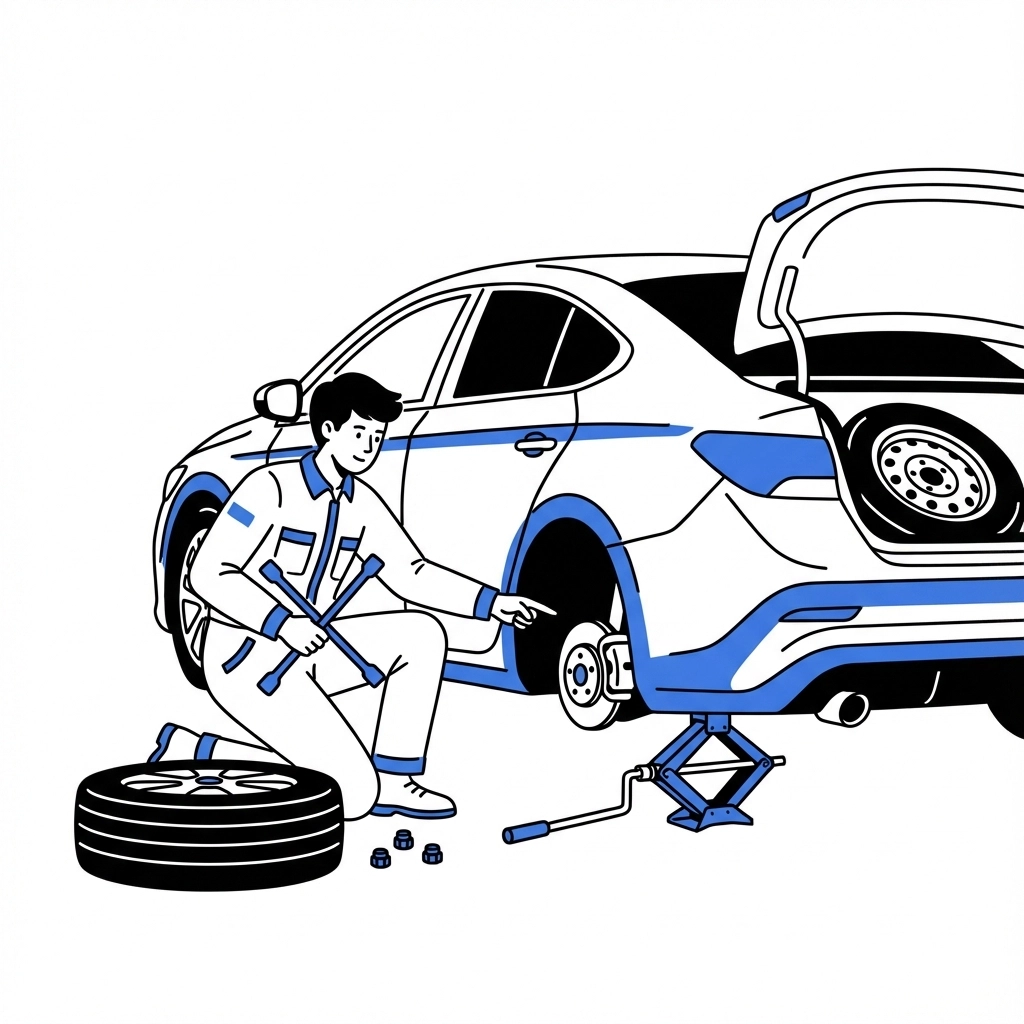
A flat tire is one of the most common roadside emergencies, and knowing how to change it safely can save you from expensive towing fees and long waits for help. Every new driver should know how to locate their spare tire, jack, and lug wrench, and understand the step-by-step process of safely changing a tire.
The key steps include finding a safe, level location away from traffic, engaging the parking brake, loosening the lug nuts before raising the vehicle, and properly securing the spare tire. It's equally important to know when NOT to attempt a tire change: such as on a busy highway or in unsafe weather conditions.
Jump-Starting a Dead Battery
Dead batteries happen to everyone, often at the most inconvenient times. Learning to use jumper cables properly can get you back on the road quickly and help you assist other stranded motorists. This skill involves understanding how to safely position vehicles, connect cables in the correct order (positive to positive, negative to ground), and recognize when a battery issue requires professional attention rather than a simple jump-start.
Safety is paramount when dealing with car batteries. New drivers should know to wear gloves, avoid smoking near batteries, and never attempt to jump-start a visibly damaged or leaking battery.
Getting Unstuck from Snow or Mud
For drivers in New Mexico and other regions with challenging weather conditions, knowing how to get a vehicle unstuck from snow, mud, or sand is invaluable. This includes techniques like gently rocking the vehicle, using floor mats or kitty litter for traction, and knowing when to call for professional help to avoid damaging the vehicle.
Basic Vehicle Maintenance: Keeping Your Car Road-Ready
Checking and Maintaining Fluids
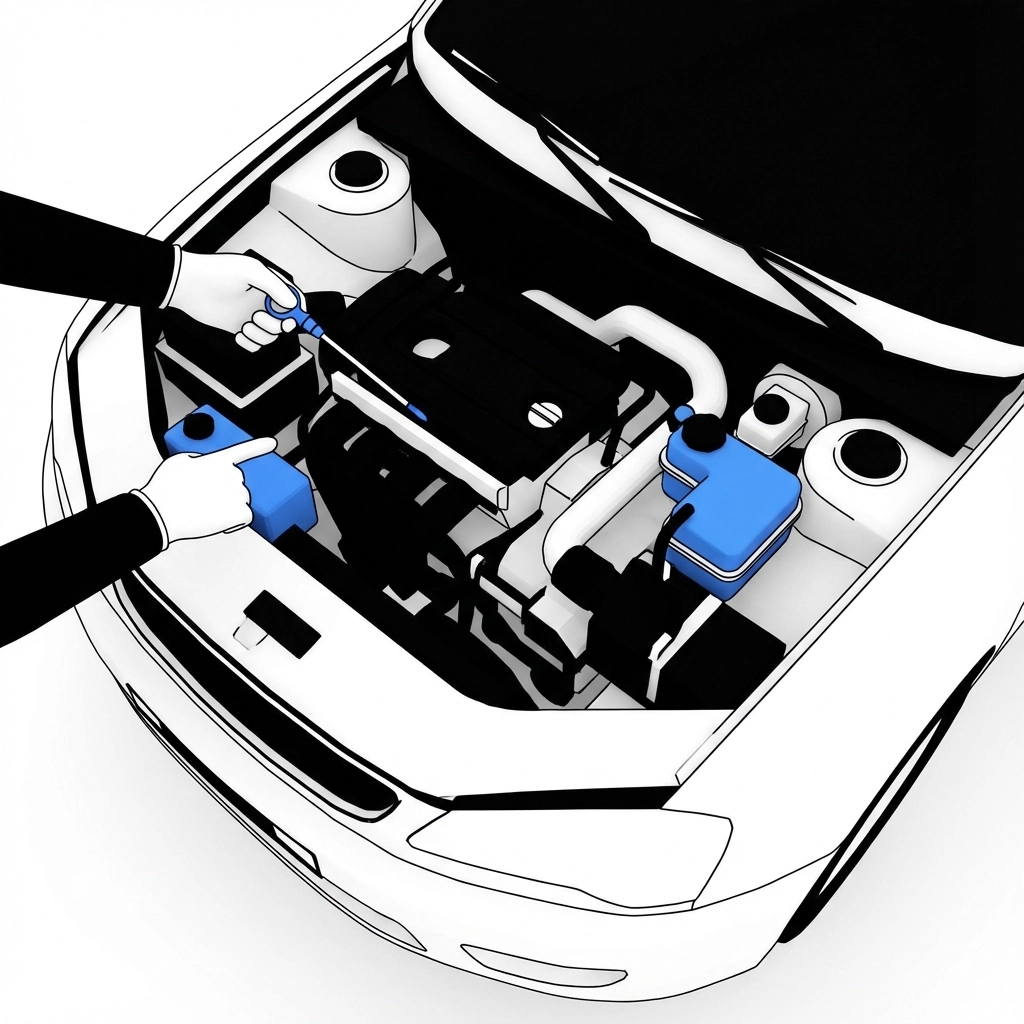
Regular fluid checks are essential for vehicle safety and longevity. New drivers should learn to check and top off engine oil, coolant, brake fluid, power steering fluid, and windshield washer fluid. Understanding what each fluid does and recognizing signs of leaks or contamination can prevent costly repairs and dangerous breakdowns.
Checking oil levels using the dipstick, understanding oil change intervals, and recognizing when oil appears dirty or contaminated are fundamental skills. Similarly, knowing how to check coolant levels when the engine is cool and understanding the importance of using the correct type of fluid prevents engine damage.
Replacing Basic Components
Simple maintenance tasks like replacing windshield wipers, changing air filters, and replacing burnt-out bulbs are skills that save money and ensure vehicle safety. These tasks don't require advanced mechanical knowledge but do need careful attention to purchasing the correct parts and following proper installation procedures.
Windshield wipers should be replaced when they leave streaks or don't clear water effectively. Knowing how to remove old wipers and install new ones properly ensures clear visibility in all weather conditions.
Understanding Warning Lights
Modern vehicles have numerous dashboard warning lights, and new drivers should understand what the most common ones mean. Oil pressure warnings, check engine lights, brake system alerts, and temperature warnings all require immediate attention. Knowing which lights indicate immediate danger versus scheduled maintenance needs can prevent minor issues from becoming major problems.
Safety and Documentation Skills
Handling Traffic Stops
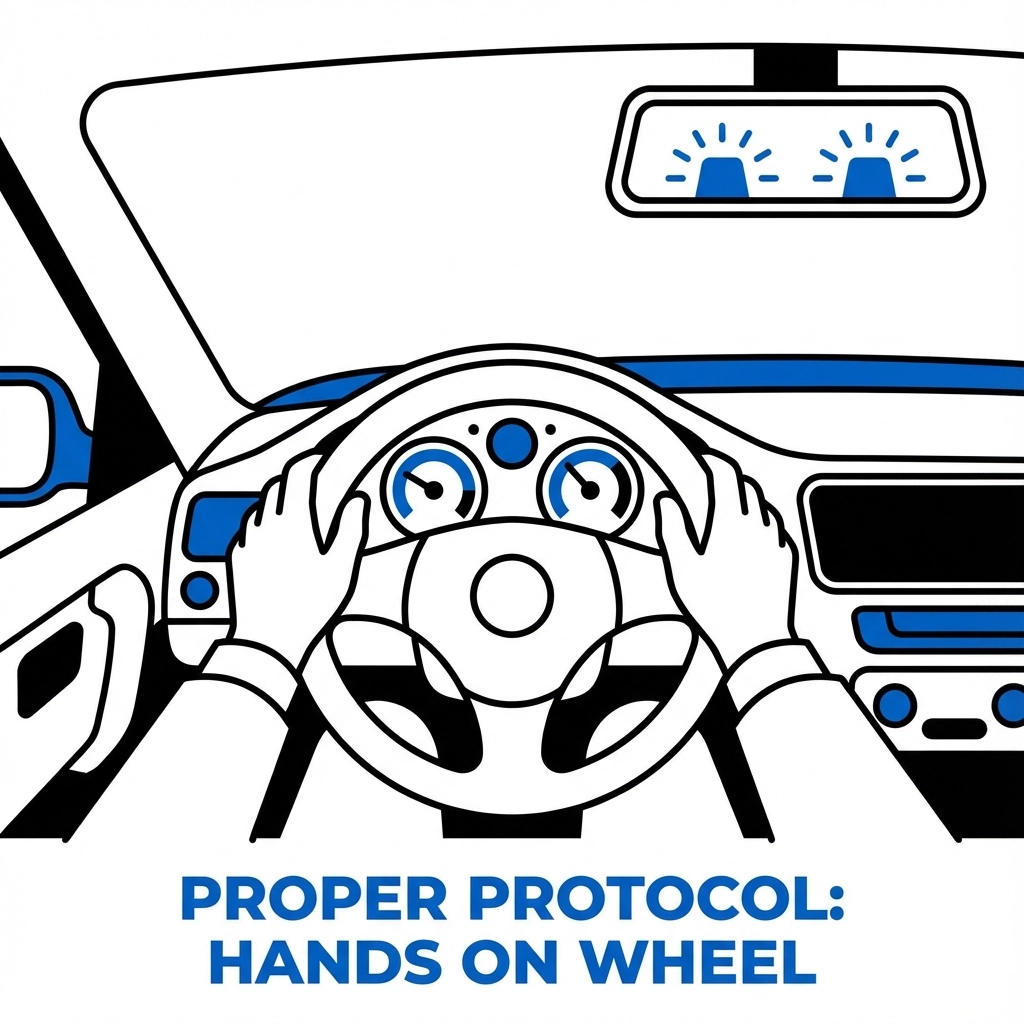
Interactions with law enforcement are part of driving, and new drivers should know proper protocol when pulled over. This includes safely pulling over in an appropriate location, keeping hands visible, remaining calm and respectful, and understanding what documents officers may request.
Knowing where to find your driver's license, vehicle registration, and insurance information quickly reduces stress during traffic stops. Understanding your rights and responsibilities during these interactions builds confidence and ensures positive outcomes.
Managing Accident Scenes
Knowing how to handle a vehicle accident safely and properly is crucial for all drivers. This includes ensuring personal safety first, calling emergency services when needed, documenting the scene with photos, exchanging information with other parties, and understanding what information insurance companies will need.
New drivers should know never to admit fault at an accident scene and understand the importance of getting a police report for insurance claims. Having a basic understanding of how to document damage and gather witness information protects you legally and financially.
Understanding Insurance Requirements
Vehicle insurance is legally required in New Mexico, and new drivers must understand different coverage types, deductible amounts, and how to file claims. Knowing what your policy covers and doesn't cover prevents surprises when you need to use your insurance.
Understanding the difference between liability, comprehensive, and collision coverage helps drivers make informed decisions about their protection levels. Knowing how to contact your insurance company and what information they need during a claim streamlines the process during stressful situations.
Financial Responsibility and Planning
Budgeting for Vehicle Ownership
Owning a vehicle involves more than just the monthly payment. New drivers should understand the total cost of ownership, including insurance, fuel, maintenance, registration fees, and unexpected repairs. Creating a realistic budget for these expenses prevents financial stress and ensures reliable transportation.
Understanding when to perform preventive maintenance versus waiting for problems to occur saves money long-term. Knowing average costs for common services like oil changes, tire rotations, and brake pad replacements helps drivers budget appropriately.
Recognizing Scams and Overcharging
Unfortunately, some unethical mechanics take advantage of inexperienced drivers. Learning basic automotive knowledge helps new drivers ask informed questions, get second opinions on major repairs, and recognize when repair estimates seem excessive.
Understanding common automotive scams, such as unnecessary fluid flushes or premature part replacements, protects new drivers from financial exploitation. Building relationships with trusted local mechanics and learning to research repair costs online empowers drivers to make informed decisions.
Navigation and Independence
Reading Maps and Finding Directions
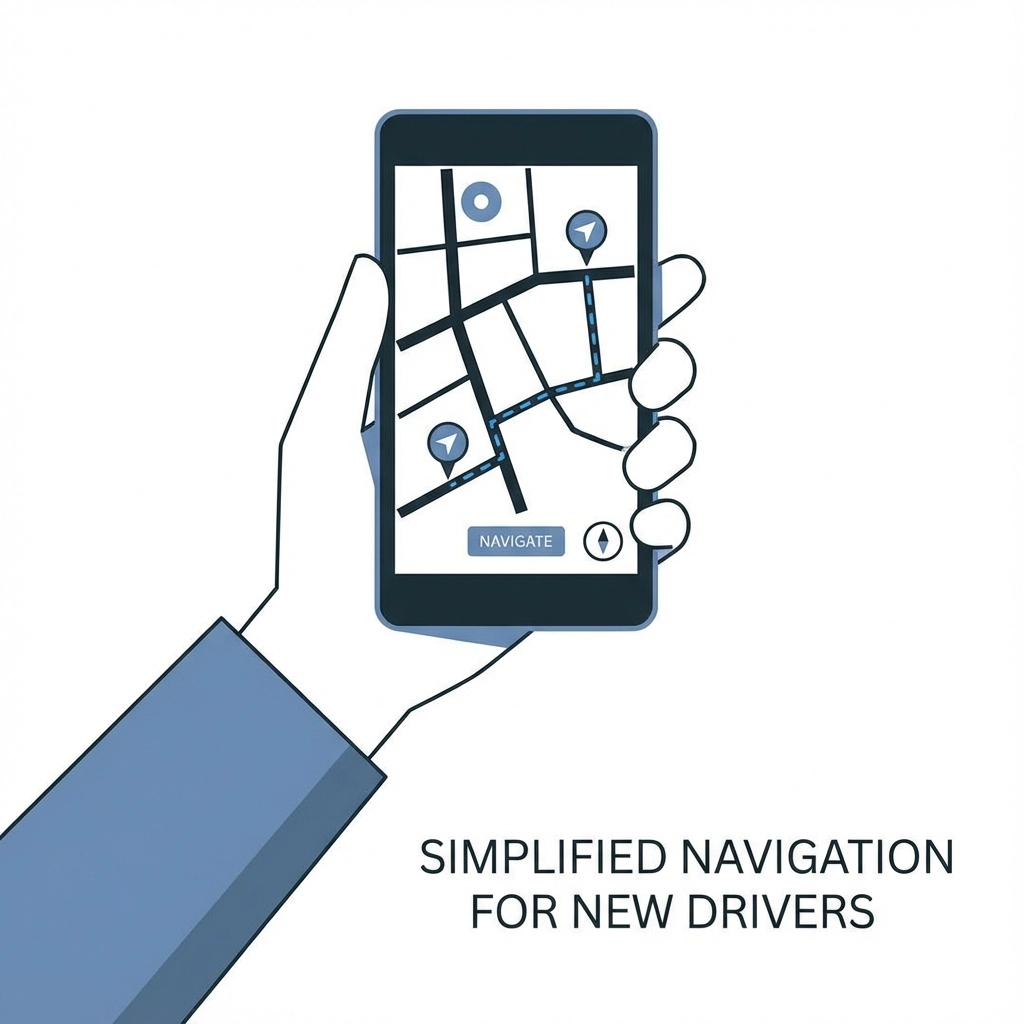
While GPS technology is incredibly helpful, new drivers should still know how to read paper maps, understand basic navigation principles, and ask for directions when needed. Technology can fail, and having backup navigation skills ensures you're never truly lost.
Understanding how to orient yourself geographically, recognize major landmarks, and navigate using cardinal directions builds confidence for longer trips and unfamiliar areas. These skills are particularly valuable when traveling to areas with poor cell phone coverage.
When to Seek Professional Help
Recognizing Your Limits
While self-sufficiency is valuable, new drivers must also recognize when problems require professional attention. Complex electrical issues, engine problems, brake system failures, and transmission issues should always be handled by qualified mechanics.
Understanding the difference between routine maintenance you can handle and repairs requiring professional expertise prevents costly mistakes and ensures safety. Building relationships with trusted mechanics and understanding how to research and choose repair shops protects you from poor service.
Building Your Support Network
Having a reliable network of professionals and knowledgeable friends or family members provides security for new drivers. This includes trusted mechanics, towing services, and experienced drivers who can provide advice and assistance when needed.
How Mesilla Driving Academy Prepares You for Real-World Driving
At Mesilla Driving Academy, we understand that driver education extends far beyond passing the road test. Our comprehensive approach includes practical discussions about vehicle ownership responsibilities, basic maintenance awareness, and emergency preparedness. We believe that confident, well-prepared drivers are safer drivers.
Our instructors don't just teach traffic laws and driving techniques: they share real-world wisdom about vehicle ownership and maintenance. Students learn about the importance of regular maintenance, emergency preparedness, and building the confidence to handle unexpected situations safely.
Building Confidence Through Knowledge
Learning these essential life skills builds confidence that extends far beyond driving. When new drivers know they can handle basic maintenance tasks and emergency situations, they approach driving with greater assurance and independence. This confidence translates into better decision-making and safer driving habits.
The investment in learning these skills pays dividends throughout your driving life. Whether you're commuting to work, embarking on a road trip, or simply running daily errands, having these capabilities provides peace of mind and saves money over time.
Remember, becoming a skilled driver is an ongoing process. Start with the basics, practice regularly, and don't hesitate to seek guidance from experienced drivers or professionals. With time and experience, these essential skills will become second nature, making you a more capable and confident driver for life.
At Mesilla Driving Academy, we're committed to developing drivers who are not just licensed, but truly prepared for the road ahead. Contact us to learn more about our comprehensive approach to driver education that prepares students for real-world driving success.
Comments