Coaching Your Teen Driver: Building Safe, Defensive, and Emotionally Stable Driving Habits
- Mesilla Driving Academy
- Dec 2, 2025
- 5 min read

Teaching your teenager to drive is one of the most important responsibilities you'll face as a parent. It's about more than just showing them how to operate a vehicle: you're helping them develop lifelong habits that will keep them safe on New Mexico's roads for years to come.
At Mesilla Driving Academy, we work with parents every day who want to give their teens the best possible foundation for safe driving. The key is understanding that effective coaching involves building three critical areas: technical driving skills, defensive driving awareness, and emotional stability behind the wheel.
Starting With the Right Foundation
The most effective approach to coaching teen drivers follows a simple but powerful principle: start with the easiest conditions and gradually work up to more challenging situations. This means beginning your practice sessions on quiet residential streets during daylight hours with good weather conditions.
Your first few drives should focus on basic vehicle control in parking lots or very quiet streets. Let your teen get comfortable with steering, braking, and acceleration before introducing traffic, intersections, or highway driving. This progressive approach builds genuine confidence rather than false bravado.
Many parents make the mistake of jumping into complex driving situations too quickly. Starting your teen on busy streets or highways before they've mastered basic controls often leads to anxiety, mistakes, and bad habits that are hard to break later.
Building Emotional Stability Behind the Wheel
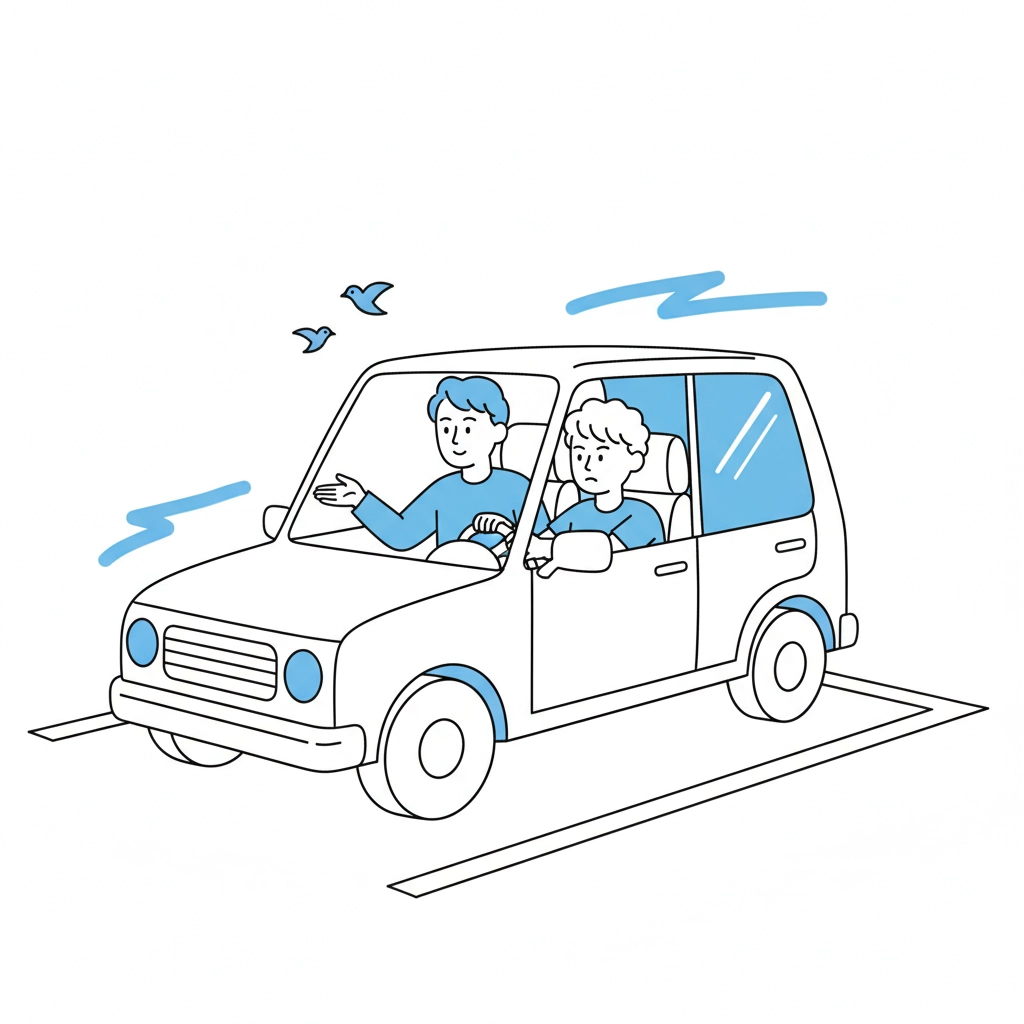
Teen brains are still developing, particularly the areas responsible for decision-making and impulse control. This developmental reality means your teenager may struggle with emotional regulation while driving, especially when faced with stressful situations like aggressive drivers or challenging weather conditions.
Help your teen recognize their emotional triggers before they get behind the wheel. Common triggers include running late, dealing with difficult drivers, or driving in unfamiliar areas. Teach them simple techniques for staying calm, such as taking deep breaths, counting to ten before reacting, or pulling over safely if they feel overwhelmed.
Road rage and aggressive driving are serious concerns for teen drivers. When your teen encounters an aggressive driver, coach them to avoid eye contact, give the other driver plenty of space, and never engage in confrontational behavior. The goal is always to arrive safely, not to "win" any imaginary competition on the road.
Practice scenarios where things don't go as planned. What should they do if they miss an exit? How should they handle getting lost? Teaching your teen to stay calm and make safe decisions when plans change is just as important as teaching them to follow traffic rules.
Teaching Defensive Driving Skills
Defensive driving is about anticipating problems before they happen and always having an escape route. This mindset is crucial for teen drivers who may not yet have the experience to automatically recognize dangerous situations.
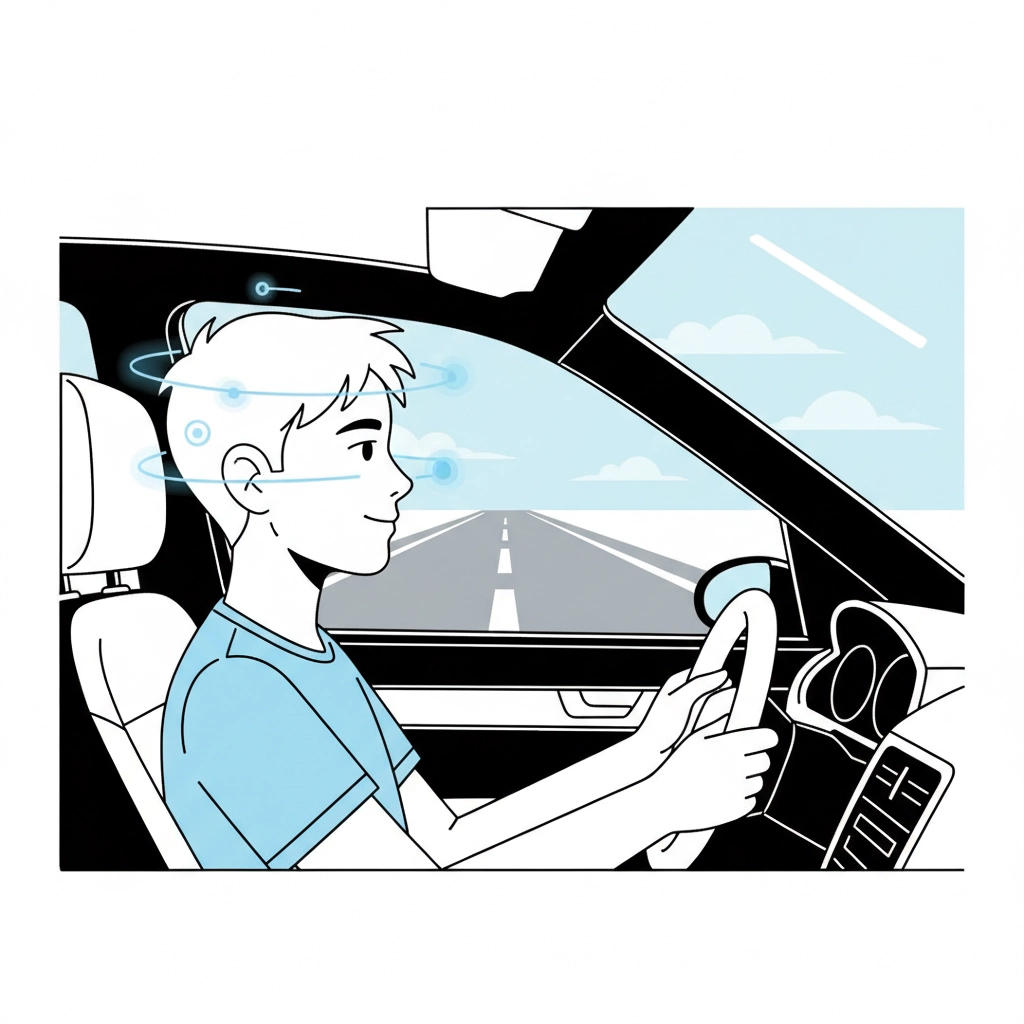
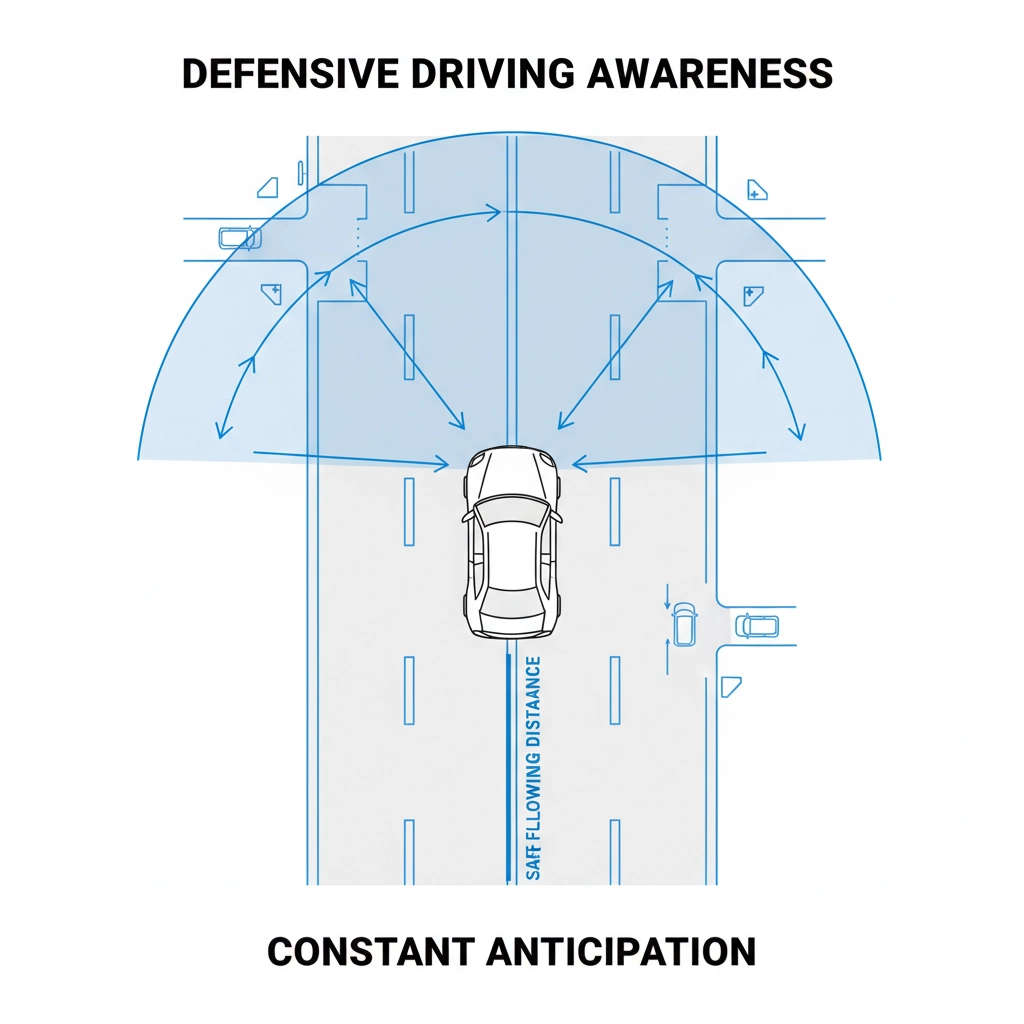
Start by teaching your teen to constantly scan their surroundings. They should check mirrors every 5-8 seconds, look far ahead on the road, and be aware of vehicles in their blind spots. Make this a habit from day one: it becomes second nature with practice.
The three-second following distance rule is non-negotiable. Teach your teen to pick a fixed object ahead and count "one thousand one, one thousand two, one thousand three" after the car in front passes it. If your teen reaches the object before finishing the count, they're following too closely.
Intersection awareness is particularly important in New Mexico, where many serious accidents occur at crossings. Even when your teen has a green light, teach them to look both ways before proceeding. Other drivers make mistakes, run red lights, or fail to yield: defensive drivers are always prepared for these possibilities.
Weather conditions in New Mexico can change quickly, from sudden thunderstorms to dust storms that reduce visibility. Practice driving in different conditions so your teen learns to adjust their speed, increase following distances, and use headlights appropriately.
Effective Communication During Practice
How you communicate during practice drives significantly impacts your teen's learning and confidence. The passenger seat can feel like a pressure cooker for both of you, but staying calm and supportive is essential for effective coaching.
Focus on one or two improvement areas per practice session rather than overwhelming your teen with multiple corrections. If they struggle with lane positioning, work on that before moving on to merge techniques or intersection navigation.
Give feedback after the drive or when safely parked, not while your teen is actively navigating traffic. Real-time corrections should be limited to immediate safety concerns. Saying "watch that pedestrian" is appropriate, but detailed discussions about technique should wait.
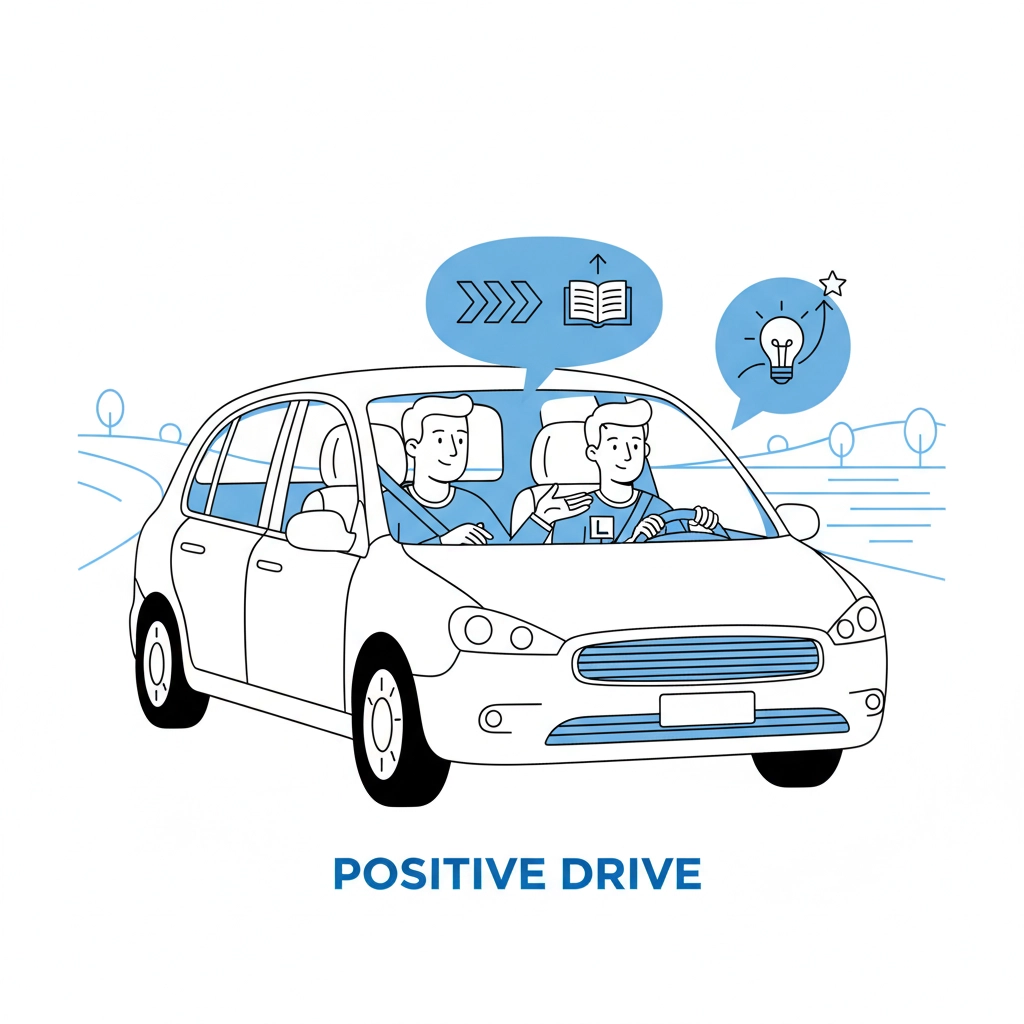
Ask your teen to explain what they're seeing and thinking as they drive. "What do you notice about the car in front of us?" or "How are you planning to handle this merge?" These questions help develop their hazard recognition skills and keep them actively engaged in the learning process.
Praise specific actions rather than giving general compliments. Instead of "good job," try "nice work checking your blind spot before changing lanes" or "I noticed how you slowed down when you saw the school zone sign."
Modeling the Behavior You Want to See
Your teen has been watching your driving habits for years before they ever get behind the wheel. If you want them to be calm, focused, and law-abiding drivers, you need to consistently model those behaviors yourself.
This means using turn signals every time, coming to complete stops at stop signs, keeping your hands on the wheel instead of your phone, and staying calm when other drivers make mistakes. Your actions speak louder than your words, especially when it comes to driving habits.
If you've developed some bad driving habits over the years, now is the time to correct them. Your teenager will notice inconsistencies between what you teach and what you do, and they're likely to follow your example rather than your instructions.
Progressive Practice Approach
Effective teen driver coaching follows a logical progression from simple to complex situations. Start with basic vehicle control in empty parking lots, then move to quiet residential streets, followed by busier urban roads, and finally highways and challenging conditions.
Each skill should be practiced repeatedly before moving to the next level. Your teen needs to be comfortable with basic turns before attempting highway merges, and confident with daytime driving before tackling night conditions.
Document your teen's progress and celebrate milestones. Completing their first solo drive around the block or successfully navigating their first highway merge are achievements worth acknowledging.
Working with Professional Instructors
While parent coaching is invaluable, professional instruction provides benefits that family members can't offer. At Mesilla Driving Academy, our instructors bring years of experience working with teen drivers and can identify bad habits before they become ingrained.
Professional instructors also provide a neutral learning environment where teens may be more receptive to feedback. Sometimes teenagers listen better to someone who isn't their parent, and that's completely normal.
Our correspondence course and live classroom options give New Mexico families flexibility in how their teens complete their driver education requirements. We work with parents to reinforce the skills and habits taught in our programs.
Creating Lifelong Safe Drivers
The goal of teen driver coaching extends beyond passing the driving test. You're helping create a lifelong safe driver who will eventually coach their own children. The habits and attitudes your teen develops during these early months behind the wheel will influence their driving for decades to come.
Be patient with the process. Learning to drive safely takes time, and every teen progresses at their own pace. Some may master highway driving quickly but struggle with parallel parking, while others might excel at technical skills but need more work on emotional regulation.
Remember that coaching your teen driver is about much more than teaching them to operate a vehicle. You're helping them develop judgment, responsibility, and respect for the power of driving. With patience, consistency, and the right approach, you can help your teenager become the kind of driver who makes New Mexico roads safer for everyone.
Ready to get started with professional driver education for your teen? Contact Mesilla Driving Academy to learn more about our programs designed specifically for New Mexico families.
Comments