How to Prepare Your Teen for Their First Road Test in 5 Simple Steps (New Mexico Edition)
- Mesilla Driving Academy
- Oct 20
- 5 min read

Getting ready for your teen's first road test can feel overwhelming, but it doesn't have to be. With the right preparation and a solid understanding of New Mexico's requirements, you can help your teen approach their road test with confidence. Here's your step-by-step guide to making sure they're completely ready for this important milestone.
Step 1: Master the GDL Program Requirements First
Before your teen can even schedule their road test, they need to complete New Mexico's Graduated Driver License (GDL) program requirements. This isn't just paperwork: it's designed to make sure your teen is truly ready for the responsibility of driving.
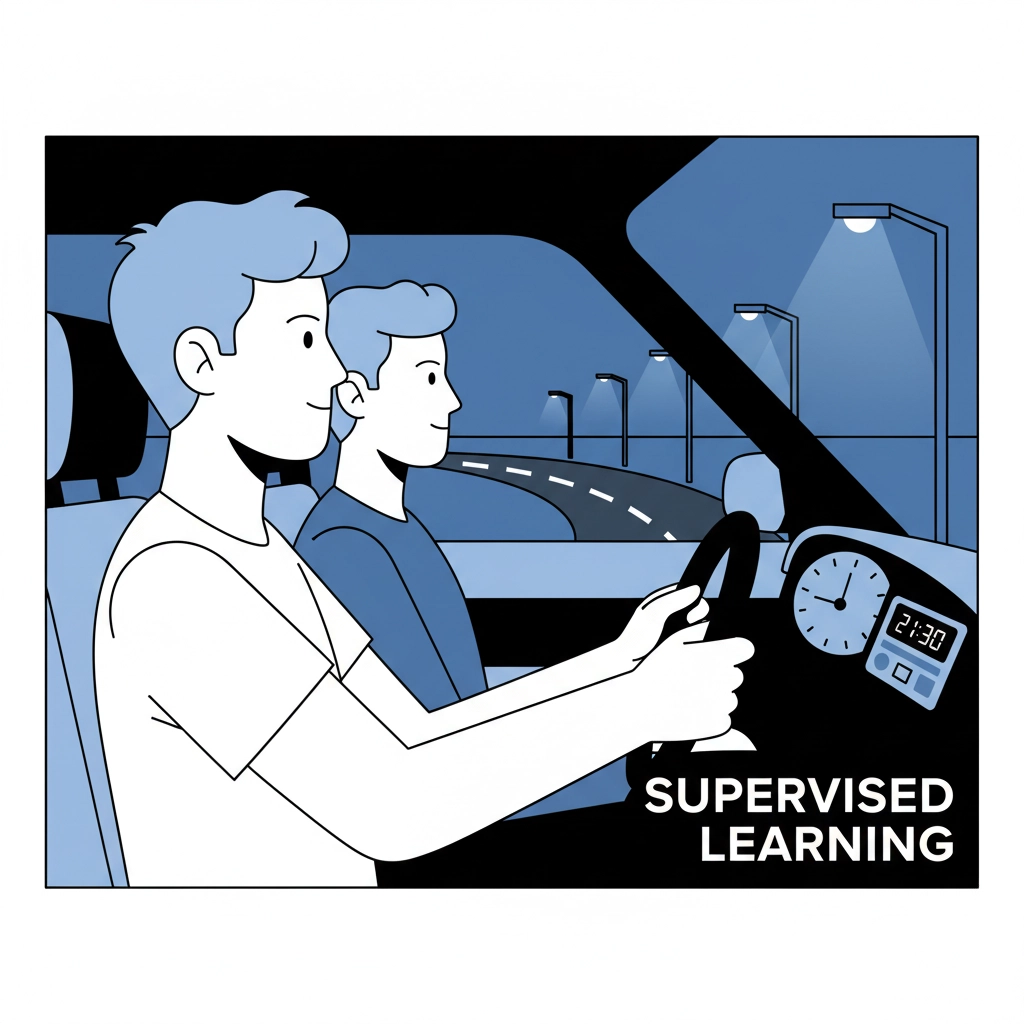
Your teen must be at least 15 years old and hold their instructional permit for a minimum of six months. During this period, they need to complete 50 hours of supervised driving practice, with at least 10 of those hours happening at night. Keep a detailed driving log that tracks these hours because you'll need to sign it and present it to the MVD.
The driver education component is non-negotiable. Your teen must complete an approved program that includes classroom instruction and behind-the-wheel training, plus the mandatory 3-hour DWI component. At Mesilla Driving Academy, we offer both live classroom and correspondence course options to fit your family's schedule and learning style.
Your teen also needs to maintain a clean driving record for three consecutive months before applying for their provisional license. Any traffic violations in the 90 days before the application will delay the process, so emphasize safe, responsible driving from day one.
Step 2: Gather All Required Documentation
Nothing derails a road test faster than missing or incorrect paperwork. New Mexico's MVD is strict about documentation requirements, so double-check everything before heading out.
You'll need original, unaltered documents in good condition: faded or illegible papers won't cut it. Required items include proof of identity (like the instructional permit, birth certificate, or passport), an identification number such as a social security card, and two proofs of residency.
Don't forget the TSB Certificate of Completion from an approved driver education school showing a passing score. This is where choosing the right driving school matters. When you complete your training with Mesilla Driving Academy, we make sure all your documentation is properly completed and ready for the MVD.
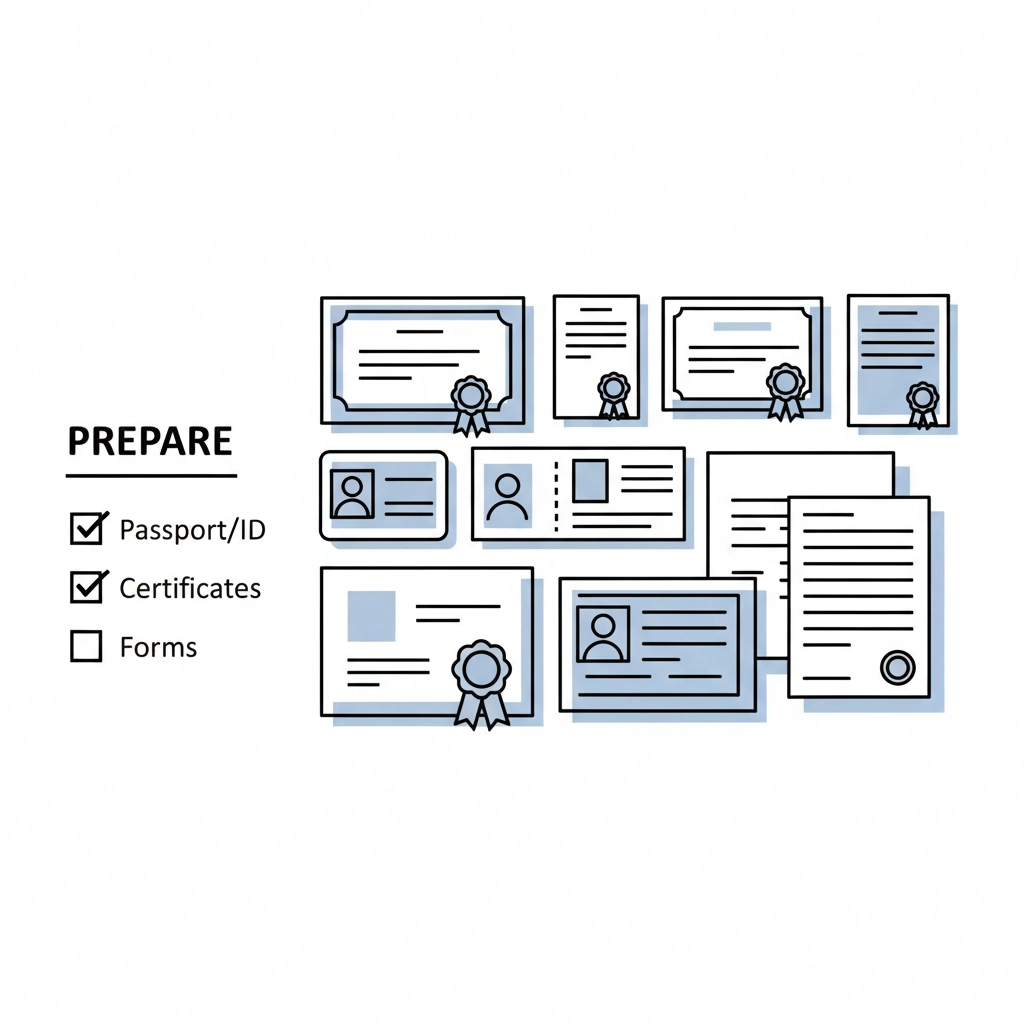
You'll also need the signed GDL driving log showing those 50 practice hours, proof of vehicle registration and insurance for the test car, and if your teen is between 18 and 24, proof of completing the None for the Road program. Create a checklist and gather everything well before the test date to avoid last-minute stress.
Step 3: Prepare and Inspect Your Vehicle
In New Mexico, your teen takes the driving test in your own vehicle, which puts the responsibility for vehicle safety squarely on your shoulders. The MVD will refuse to conduct the test if your car doesn't meet safety standards, forcing you to reschedule.
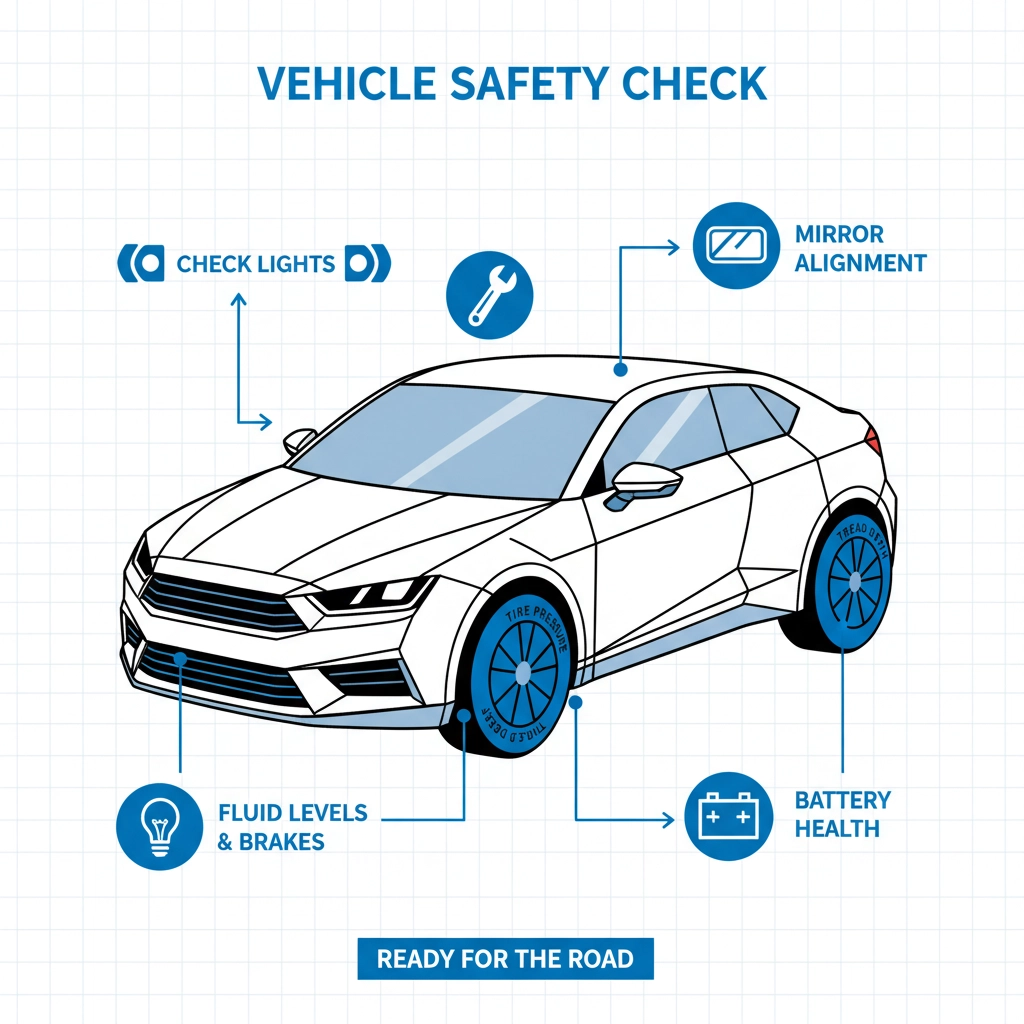
Start with a thorough inspection of all lights: headlights, taillights, turn signals, and brake lights must all function properly. Check the brakes, tires (including spare), mirrors, doors, and seatbelts. Make sure no dashboard warning lights are illuminated and that you have enough fuel for the test.
The vehicle must be properly registered with securely attached license plates, and you need both the insurance card and certificate of registration readily available. Beyond meeting minimum requirements, choose a vehicle your teen knows well. If they learned to drive in your SUV, don't suddenly switch to a compact car for the test.
Consider the practical aspects too. A car with good visibility, responsive steering, and easy-to-operate controls will help your teen perform their best. Some parents prefer using a driving school's vehicle, but since New Mexico requires your own car, make sure yours is test-ready.
Step 4: Practice Specific Road Test Skills
Random driving practice isn't enough: you need to focus on the specific skills the examiner will evaluate. The road test isn't about advanced driving techniques; it's about demonstrating basic competency and safety awareness.
Start with fundamental car control: smooth acceleration, gradual braking, and controlled turning. Your teen should signal appropriately when changing lanes or pulling away from a curb, and they must demonstrate proper scanning techniques by checking blind spots and other lanes before making moves.
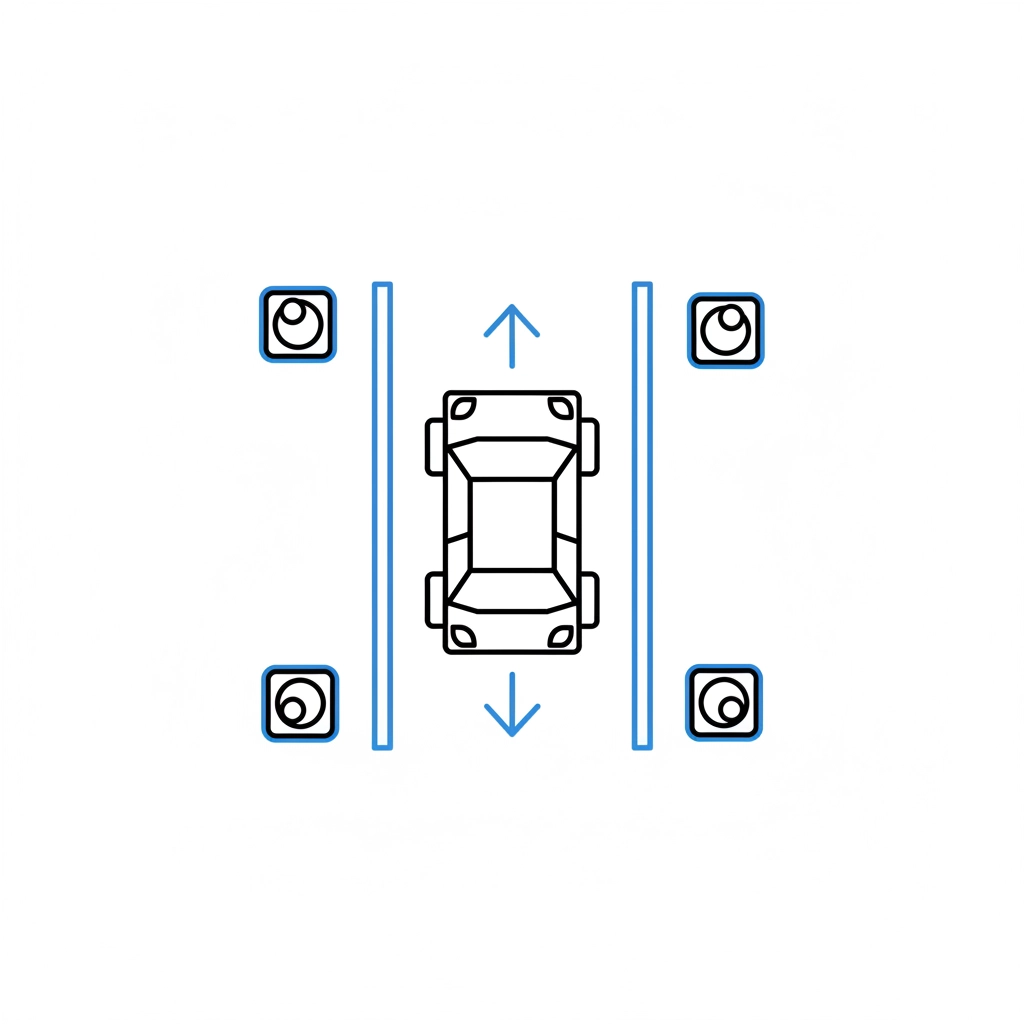
Parking skills deserve special attention because they're where many teens struggle. Practice both parallel parking and backing into spaces in various conditions. Find empty parking lots and set up cones or use parked cars to simulate different scenarios.
Work on intersection navigation, including four-way stops, traffic lights, and unprotected left turns. Practice defensive driving techniques like maintaining safe following distances and adjusting speed for conditions. At Mesilla Driving Academy, our behind-the-wheel instruction focuses exactly on these testable skills, giving students targeted practice rather than general driving experience.
Break your practice sessions into themes. Dedicate one session to parking, another to highway merging, and use different times of day to practice various visibility conditions. This focused approach builds confidence and competence simultaneously.
Step 5: Master Test Day Preparation and Procedures
The actual test day requires both mental and logistical preparation. Start by conducting mock road tests at home. Act as the DMV examiner and have your teen complete the entire pre-drive checklist: adjusting the seatbelt, seat position, mirrors, and familiarizing themselves with all controls.
Give clear, concise directions just like the real examiner would: "Take the next left," "Park beside that cone," "Merge onto the highway when safe." During these practice tests, stay quiet and avoid coaching: this simulates the actual testing environment and helps your teen get comfortable following instructions from an examiner.
Schedule your road test appointment for a time when your teen feels most confident and alert. Many teens perform better in mid-morning after they've had breakfast and aren't dealing with afternoon fatigue. Consider pre-applying online to save time at the MVD office.
Remember that a licensed adult must accompany your teen to the MVD. Plan to arrive early, bring all documentation, and help your teen stay calm and focused. The examiner will explain the route and expectations, but your teen should be prepared for common instructions and maneuvers.
Making the Process Smoother with Professional Support
While these five steps cover the essentials, having professional support makes a significant difference. At Mesilla Driving Academy, we understand that preparing for a road test involves more than just learning to drive: it's about building confidence and ensuring your teen is truly ready for the responsibility of independent driving.
Our comprehensive programs include everything from initial permit preparation through final road test readiness. We work with families to ensure all documentation is properly completed, provide focused behind-the-wheel training that targets specific test requirements, and offer the peace of mind that comes from professional instruction.
The investment in proper driver education pays off not just in passing the road test, but in developing safe driving habits that last a lifetime. When you're ready to give your teen the best possible preparation for their road test and beyond, contact us to learn more about our programs and how we can support your family through this important milestone.
Your teen's first road test doesn't have to be stressful. With proper preparation, the right documentation, a well-maintained vehicle, focused practice, and professional support when needed, they can approach their test with confidence and succeed on their first attempt.
Comments